


Introduction
API 598 is a crucial industry standard developed by the American Petroleum Institute that outlines the testing and inspection procedures for valves used in the petroleum and natural gas industries. The standard specifically addresses valve leakage and the criteria for determining whether a valve meets its rated performance specifications. Understanding these guidelines is essential for ensuring valve integrity, safety, and performance under various operating conditions.
This article will provide a comprehensive overview of the API 598 testing standards, explaining the testing procedures for valve leakage, ratings, and how to interpret the results. The purpose of this article is to offer a clear understanding of how to conduct these tests and the significance of the ratings as defined by API 598.
- API 598 Overview
API 598, titled “Valve Inspection and Testing”, covers the requirements for the inspection, testing, and marking of valves. The standard is applicable to valves used in the petroleum, petrochemical, and natural gas industries, ensuring that valves perform effectively during their operational lifecycle. The standard specifies:
- Leakage Testing Procedures: Methods to evaluate whether valves meet leakage requirements.
- Testing Conditions: The environmental conditions under which tests should be performed (e.g., temperature, pressure).
- Valve Type & Size Ratings: Criteria for various valve types and sizes.
- Documentation and Reporting: Guidelines on how to document and report the test results.
API 598 primarily addresses two types of leakage tests:
- Shell Test (Body Leakage Test).
- Seat Test (Seat Leakage Test).
Each test serves a different purpose in determining the structural and operational integrity of the valve.
- Shell Leakage Test (Body Leakage)
The Shell Test is designed to detect any leakage from the valve body, ensuring that the valve’s structure can withstand internal pressures without letting any fluids escape. This test evaluates the strength of the valve’s body under high pressure and identifies any cracks or defects.
Test Procedure:
- The valve is subjected to a pressure that is typically 1.5 times the valve’s rated pressure class (in most cases, this is referred to as the “test pressure”).
- The valve is then inspected for any signs of leakage from the valve body, including around welds and joints.
- Any leakage must not exceed a specific threshold defined in API 598.
Leakage Acceptance Criteria:
- For most valves, no leakage is allowed during the Shell Test. If leakage occurs, the valve fails the test and must be repaired or replaced.
API 598 Clause Reference: Section 6.2.2 of API 598 specifies the test conditions for Shell Leakage.
- Seat Leakage Test
The Seat Leakage Test focuses on ensuring that the valve’s seat – the area where the valve’s closure element comes into contact with the body – properly seals and prevents fluid from escaping. This test is critical for valves intended to shut off flow completely.
Test Procedure:
- The valve is pressurized on one side (the upstream side) and sealed on the other side (downstream).
- The closure element (e.g., a ball or disc) is then activated to its closed position.
- The valve is observed for any leakage through the seat. The amount of leakage is typically measured by a specific flow rate or weight of fluid that passes through the closed seat over a set period.
Leakage Acceptance Criteria:
- API 598 specifies different leakage rates depending on the valve size, type, and application. For example, ball valves are usually allowed a specific leakage rate per the design pressure, while globe valves may have different tolerances.
API 598 Clause Reference: Section 6.2.3 provides the requirements and conditions for performing the Seat Leakage Test.
- Pressure and Temperature Conditions
The testing environment, particularly the pressure and temperature conditions, plays a crucial role in the results of valve leakage tests. API 598 specifies the following conditions for testing:
- Temperature: The tests should be conducted at ambient temperature or as specified by the manufacturer. In some cases, valves may need to be tested at high temperatures that reflect actual operational conditions.
- Pressure: The test pressure should be at least 1.5 times the valve’s rated pressure class (as mentioned above). This ensures that the valve’s design and materials can withstand higher pressures during operation.
- Valve Rating & Documentation
Once the testing is completed, the results must be documented clearly. The valve’s performance should be classified according to the leakage observed during both Shell and Seat Tests.
Valve Ratings:
- The valve’s leakage performance is categorized into different classes depending on the severity of the leakage. These include classifications such as:
- Class I: No leakage.
- Class II: Minor leakage.
- Class III: Major leakage, but the valve is still operable under specified conditions.
Documentation:
- A detailed report must be generated for each valve tested, specifying the results of both leakage tests. The report should include information on the valve type, size, rated pressure, and the exact test conditions under which the valve was assessed.
API 598 Clause Reference: Section 6.4 provides the guidelines for documenting the testing process and results.
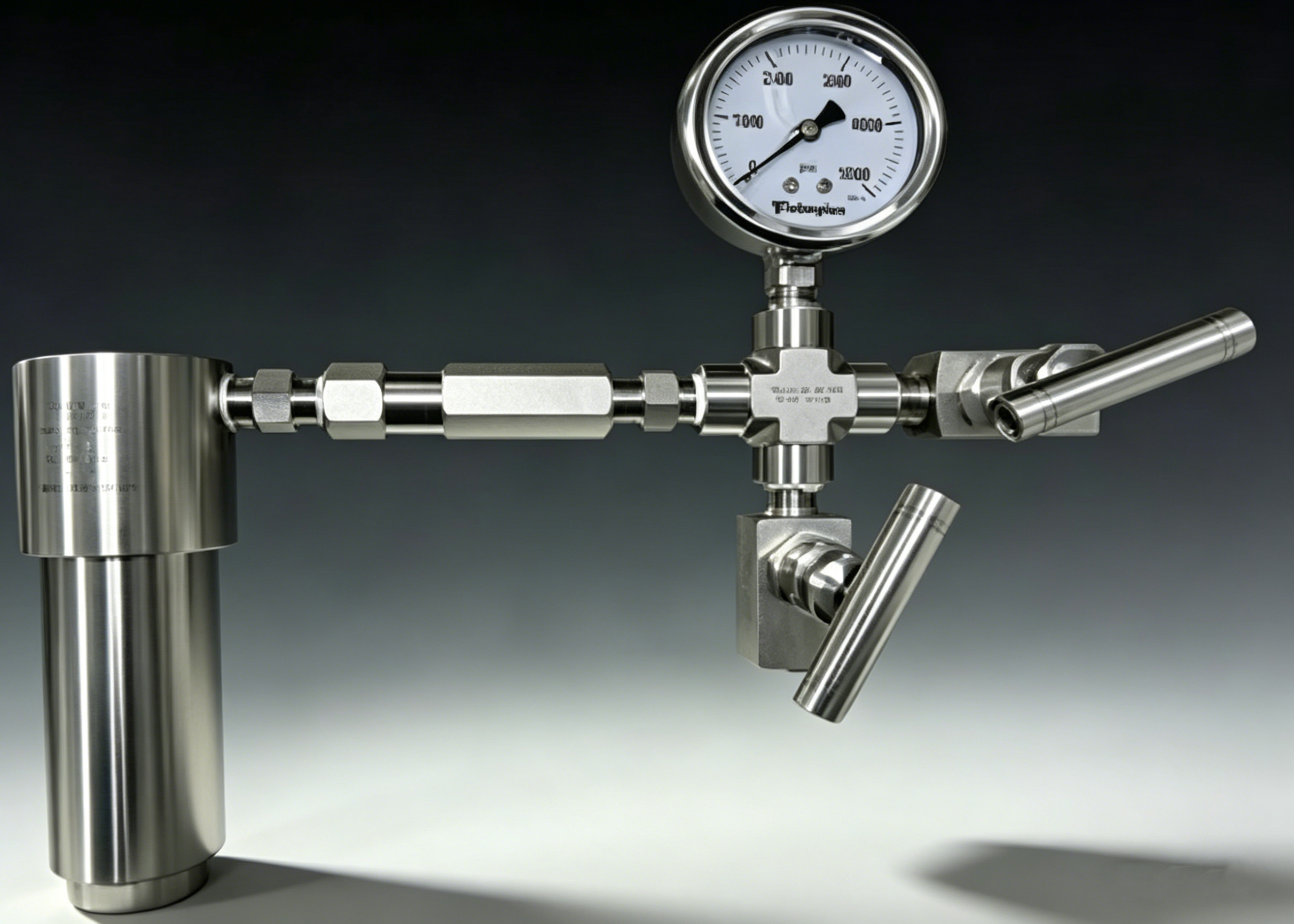
- Illustration of Valve Leakage Testing
Below is a simple diagram illustrating the testing setup for both Shell and Seat tests:
Shell Test Setup:
- The valve is placed in a test chamber.
- Pressure is applied to the valve body.
- The valve is inspected for any leaks around welds and body joints.
Seat Test Setup:
- The valve is pressurized from one side.
- The closure element (e.g., ball or disc) is closed.
- The valve is inspected for leakage through the closed seat.
- Conclusion
API 598 sets a critical benchmark for ensuring valve performance and safety in the oil and gas industries. By clearly defining the testing procedures and criteria for both shell and seat leakage tests, API 598 helps manufacturers, engineers, and operators verify that valves can meet their intended performance levels without compromising system integrity.
Understanding and adhering to API 598’s testing standards is not just about meeting regulatory requirements but also about ensuring the long-term reliability of equipment, which ultimately impacts the safety and efficiency of industrial operations.
References
- API 598– Valve Inspection and Testing. American Petroleum Institute, 2023.
- Section 6.2.2 – Shell Leakage Test.
- Section 6.2.3 – Seat Leakage Test.
- Section 6.4 – Documentation and Reporting.