


When it comes to controlling flow in oil and chemical pipelines, ball valves are like the gatekeepers of your system. Pick the wrong material, and you could face leaks, corrosion, or even catastrophic failure. Today, we’re diving deep into the world of brass vs ASTM B283 bronze ball valves, exploring standards, corrosion resistance, nickel plating, and why engineers in the oil and chemical industry swear by bronze.
Understanding Ball Valve Basics
Let’s start simple. A ball valve is a device that uses a spherical ball to control flow. Rotate it 90 degrees, and boom—you’re either stopping or letting the fluid through. Sounds straightforward, right? But when you’re talking high-pressure chemicals or corrosive petroleum products, the material of that ball valve can make or break your pipeline.
Key Components of a Ball Valve
Think of a ball valve like a tiny mechanical orchestra:
- Body– the main shell, holding everything together.
- Ball– the star performer, controlling the flow.
- Stem– connects the handle to the ball, transmitting rotation.
- Seats and Seals– the unsung heroes, keeping everything leak-free.
Each part interacts with the fluid, so material choice isn’t just cosmetic—it’s mission-critical.
Types of Ball Valves in Oil & Chemical Industry
Not all ball valves are created equal:
- Full port vs standard port– full port reduces pressure drop, standard port is lighter.
- Threaded, flanged, welded connections– each has its ideal material depending on pressure and fluid type.
- Choosing brass or bronze can affect torque requirements, corrosion performance, and service life.
Brass Ball Valves: Features, Benefits, and Limitations
Brass valves are like the reliable workhorses of moderate pipelines. They’re composed primarily of copper and zinc, sometimes with a touch of lead to make machining easier.
- Pros:
- Excellent machinability
- Cost-effective
- Moderate corrosion resistance
- Cons:
- Prone to dezincification in salty or aggressive chemical environments
- Lower high-pressure and high-temperature tolerance
Common Standards for Brass Valves
Brass ball valves typically follow ASTM B16, C36000, or C37700 standards. These ensure:
- Moderate pressure capability (usually 200–400 PSI)
- Temperature tolerance up to around 200°C
- Reliable machining and threaded connections
Ideal Applications for Brass Valves
If your pipeline handles freshwater, mild chemicals, or HVAC fluids, brass is a cost-effective choice. But toss in chlorides, acidic chemicals, or high-pressure fluids, and brass starts showing its vulnerabilities.
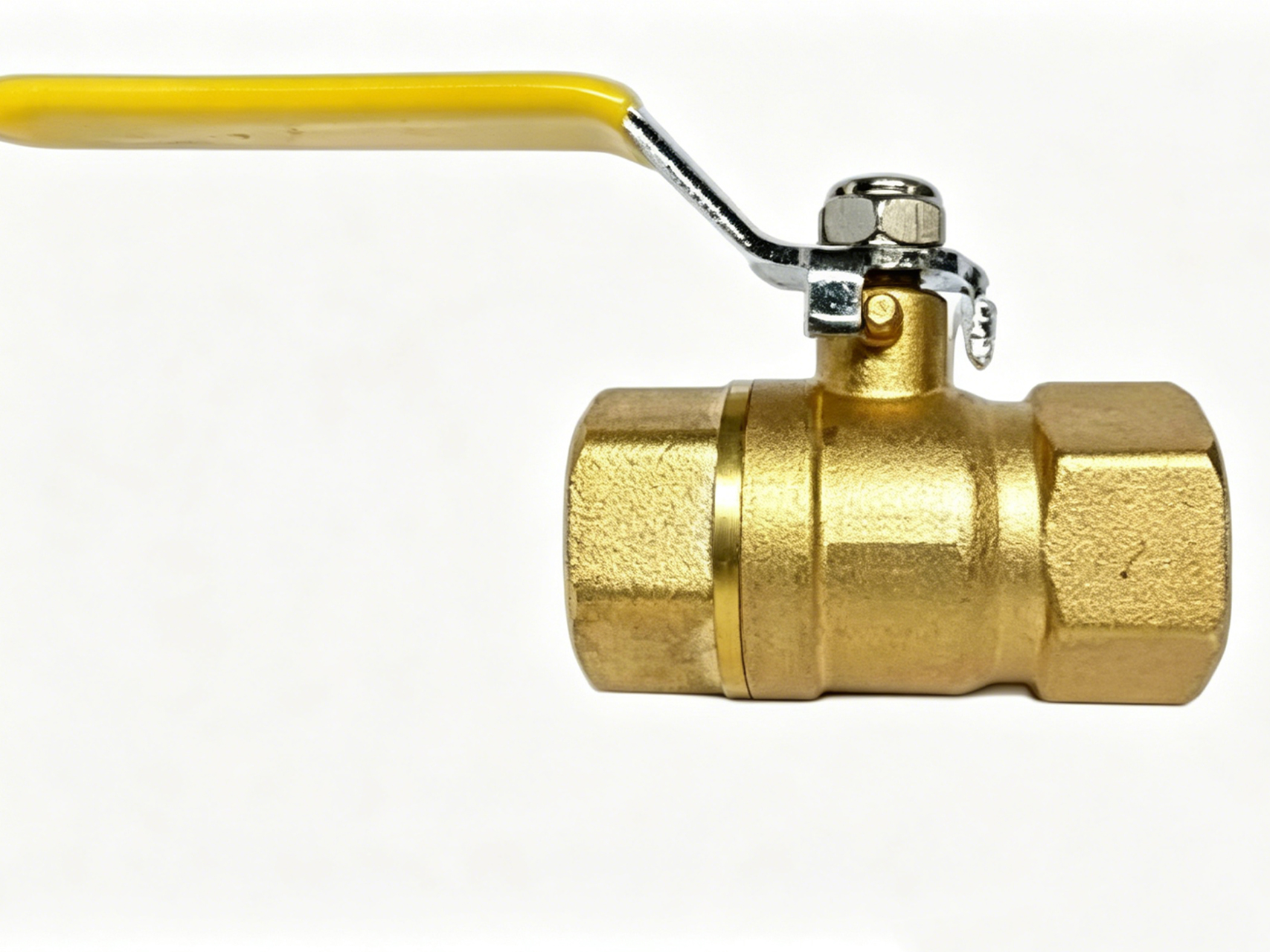
ASTM B283 Bronze Ball Valves: Strength and Durability
Now let’s talk about ASTM B283 bronze. Picture bronze as the armored knight of valve materials: stronger, more resilient, and less likely to corrode.
- Composition: Copper + tin (+ optional phosphorus, aluminum, zinc)
- Advantages:
- Higher mechanical strength
- Superior corrosion resistance
- Can handle higher pressures and temperatures
ASTM B283 Standard Overview
The ASTM B283 standard defines:
- Exact chemical composition limits
- Mechanical properties like tensile strength and hardness
- Compliance criteria for sheet, strip, and plate materials used in valve bodies
This means an ASTM B283 bronze ball valve isn’t just “bronze”; it’s engineered for industrial reliability.
Applications in Oil & Chemical Industry
- High-pressure pipelines
- Offshore oil platforms exposed to saltwater
- Chemical processing lines with corrosive fluids
In short, if you’re dealing with aggressive chemicals or high-pressure petroleum flows, bronze is often the safer bet.
Corrosion Resistance: Brass vs Bronze
Here’s where the plot thickens. Brass is decent—but throw it in chloride-heavy seawater or acidic fluids, and it suffers from dezincification. Bronze, thanks to its tin content, acts like a bodyguard protecting your pipeline.
Corrosion Testing and Longevity
Engineers often test valves with:
- Salt spray exposure
- Immersion in corrosive chemicals
- Pressure cycling
Bronze valves, especially ASTM B283, consistently outperform brass under these conditions, reducing leak risk and maintenance costs.
High-Pressure and Temperature Performance
Pressure and heat are the villains that can ruin a valve’s day.
- Brass: ~200–400 PSI
- ASTM B283 Bronze: 400+ PSI
- Temperature tolerance: bronze up to 250°C, brass max ~200°C
Think of it like this: brass is sturdy enough for a city street, but bronze can handle the industrial highway with heavy trucks.
The Role of Nickel Plating
Ever wondered why some bronze valves look shiny and almost futuristic? That’s nickel plating.
- Forms a protective layer against corrosion
- Increases surface hardness
- Reduces wear between ball and seat
Nickel Plating Advantages
- Lower maintenance frequency
- Enhanced sealing reliability
- Improved aesthetics for visible pipelines
Practical Use Cases
- Offshore oil rigs battling saltwater spray
- Chemical plants handling aggressive fluids
- High-salinity pipelines where standard bronze might struggle
Material Selection Guide for Engineers
Choosing the right valve material isn’t guesswork—it’s a formula:
- Assess fluid type, pressure, and temperature
- Compare brass, bronze, and nickel-plated bronze
- Factor in cost vs long-term ROI
Cost vs Longevity Analysis
Brass saves money upfront but may need replacement sooner. Bronze costs more initially but saves downtime, maintenance, and emergency repairs.
Industry Standards and Compliance
For oil and chemical pipelines, standards are everything:
- ANSI/ASME B1.20.1, BS21:1973, DIN259/2999, ISO228
- EN 10254-3.1 pressure testing per valve
- Compliance ensures safety, reliability, and regulatory approval
Maintenance and Reliability Considerations
Even the best valve isn’t plug-and-play:
- Inspect for leaks and corrosion regularly
- Replace seals and check torque
- Bronze valves generally require less frequent maintenance than brass
Installation and Operational Tips
- Threaded vs flanged installation affects torque and stress distribution
- Avoid over-tightening threaded brass valves—they’re softer than bronze
- Nickel-plated bronze valves can tolerate more aggressive operational conditions
Future Trends in Valve Materials
- High-performance alloys for extreme chemical resistance
- Advanced coatings: PTFE, epoxy, and beyond
- Focus on sustainability and long-term corrosion mitigation
Case Studies in Oil & Chemical Industry
- Offshore pipeline replacing brass with nickel-plated bronze: fewer leaks, longer service life
- Chemical plant switching from brass to ASTM B283 bronze: reduced downtime, improved safety
- Real-world ROI: bronze valves save money and headaches over 5–10 years
Conclusion
To sum up:
- Brass valvesare economical, machinable, and fine for mild conditions—but limited under high pressure, high temperature, or corrosive chemicals.
- ASTM B283 bronze valves are stronger, more durable, and resist corrosion in aggressive environments.
- Nickel plating adds an extra layer of protection and reliability, making bronze valves ideal for oil and chemical pipelines.
Choosing the right material isn’t just about cost—it’s about safety, efficiency, and long-term performance. In industrial pipelines, the “armor” of your valve can be the difference between smooth operation and a costly disaster.
FAQ Section
- Can brass valves be used in seawater pipelines?
- Technically yes, but they risk dezincification. Bronze or nickel-plated bronze is preferred.
- How does nickel plating improve valve lifespan?
- It forms a dense protective layer, reduces wear, and prevents corrosion.
- What pressure can ASTM B283 bronze valves handle?
- Typically 400 PSI and above, suitable for most industrial oil and chemical pipelines.
- Are bronze valves more expensive than brass valves?
- Upfront yes, but they save money long-term via reduced maintenance and downtime.
- How to choose between brass, bronze, and nickel-plated bronze for chemical pipelines?
- Evaluate fluid type, pressure, temperature, and environment. Nickel-plated bronze is ideal for corrosive and high-pressure conditions.