


The global offshore energy sector continues to accelerate its investment cycle, and one of the latest developments comes from the Norwegian Continental Shelf (NCS), where a major subsea redevelopment project has officially received regulatory approval. For companies involved in offshore engineering, subsea production systems, pipeline infrastructure, and oilfield supply chains, this marks another strong signal that Europe is preparing for long-term energy security and increased natural gas exports.
On May 8, the Norwegian Ministry of Energy approved the Plan for Development and Operation (PDO) for the Previously Produced Fields (PPF) project located in the Greater Ekofisk Area (GEA). The project is operated by ConocoPhillips through its subsidiary ConocoPhillips Skandinavia.
The approval represents a major milestone for the redevelopment of several mature offshore fields in the North Sea and reinforces Norway’s strategic role as one of Europe’s most reliable energy suppliers.
A Strategic Offshore Redevelopment Project
The PPF project focuses on the joint redevelopment of three previously producing offshore fields:
- Albuskjell Field
- Vest Ekofisk Field
- Tommeliten Gamma Field
Rather than building entirely new offshore platforms, the project will use a subsea tie-back development strategy connected directly to the existing Ekofisk infrastructure network. This approach significantly reduces capital expenditure while maximizing recovery from mature reservoirs.
For offshore operators, this is now becoming the preferred model across the North Sea:
- Reuse existing infrastructure
- Reduce offshore construction costs
- Lower carbon intensity
- Accelerate first production timelines
- Improve project economics during volatile oil and gas cycles
The project is expected to achieve first production in the fourth quarter of 2028.
Investment Scale Reaches Nearly $1.8 Billion
According to project disclosures, the total investment value is approximately NOK 19.5 billion, equivalent to roughly USD 1.8 billion.
The investment is divided into two primary offshore license areas:
PL018B/F License Area
Including the Albuskjell and Vest Ekofisk fields:
- Investment value: approximately NOK 14 billion
- Equivalent to around USD 1.3 billion
PL044/D License Area
Including the Tommeliten Gamma field:
- Investment value: approximately NOK 5.5 billion
- Equivalent to around USD 500 million
The project consortium includes several major energy companies:
- ConocoPhillips (Operator)
- Vår Energi
- Orlen Upstream Norway
- Petoro
This multi-partner structure reflects the collaborative investment model commonly used in large-scale offshore developments on the Norwegian Continental Shelf.
Subsea Infrastructure Will Drive Production Growth
The redevelopment plan includes:
- 4 subsea production templates
- 11 new offshore wells
- Shared subsea pipeline tie-back systems
- Integration with the existing Ekofisk complex
The project is expected to recover between 90 million and 120 million barrels of oil equivalent (BOE) in natural gas and condensate resources.
From an engineering perspective, subsea tie-back projects of this scale require highly reliable:
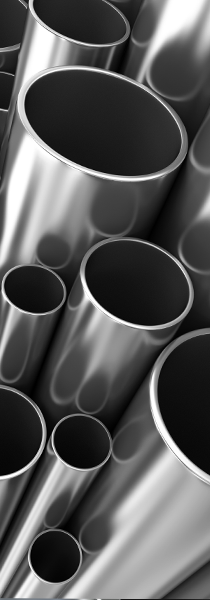
- Offshore pipe systems
- Subsea flowlines
- High-pressure tube fittings
- Corrosion-resistant tubing
- Hydraulic and chemical injection lines
- Instrumentation tubing systems
- Precision pipeline connectors
This is particularly important in harsh North Sea operating environments, where offshore equipment must withstand:
- High pressure
- Low temperatures
- Saltwater corrosion
- Sour gas exposure
- Long production lifecycles
As offshore operators continue extending the life of mature assets, demand for premium-quality pipe fittings and tubing systems is expected to increase steadily across Europe.
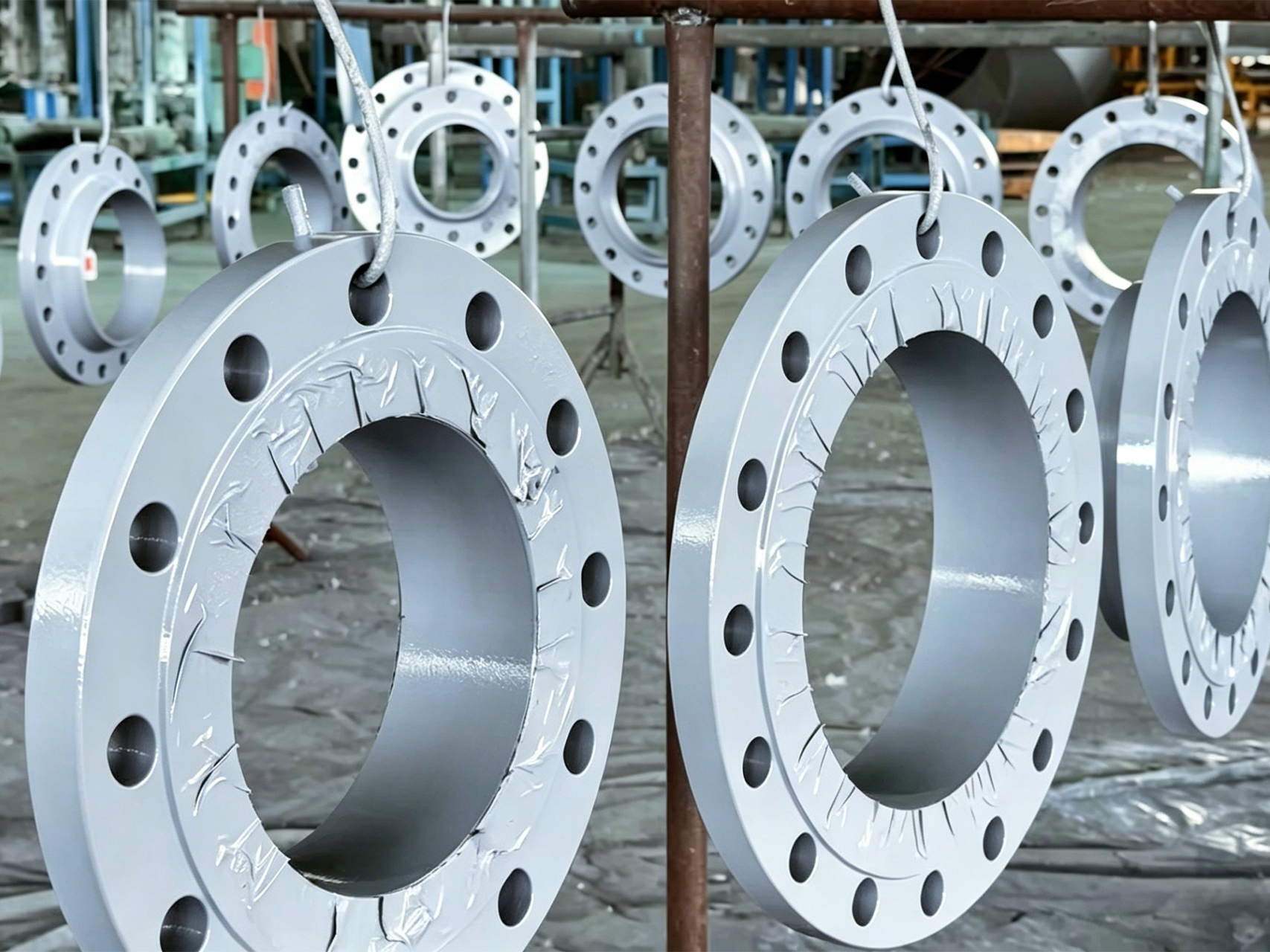
Why Europe Still Needs Offshore Natural Gas
The approval of the PPF project is not only about oilfield redevelopment. It is also directly connected to Europe’s long-term energy strategy.
Over the past several years, European countries have accelerated efforts to diversify energy supply sources and strengthen regional energy security. Norway has become one of the continent’s most critical suppliers of natural gas following major geopolitical changes in global energy markets.
By leveraging existing infrastructure at Ekofisk, the PPF project can deliver additional gas volumes to Europe with lower development costs and reduced environmental impact compared to greenfield projects.
Steinar Våge, President of Europe, Middle East and North Africa at ConocoPhillips, stated that the project demonstrates the company’s long-term commitment to the Ekofisk area while also strengthening gas exports to Europe.
For offshore supply chain companies, this creates long-term opportunities in:
- Offshore fabrication
- Subsea engineering
- Flow assurance systems
- Pipeline infrastructure
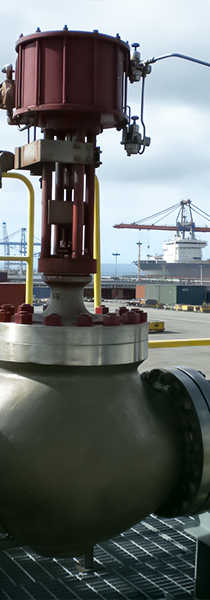
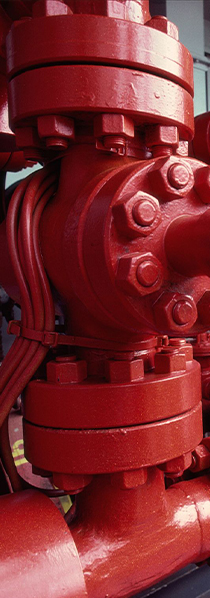
- Valve and fitting manufacturing
- Chemical injection systems
- Precision tubing solutions
What This Means for Oilfield Suppliers
If you are involved in the oil and gas supply chain, the PPF redevelopment project is another indicator that offshore investment activity is entering a new cycle.
Many mature North Sea fields are now being reevaluated using modern subsea technology and existing infrastructure. Instead of abandoning older reservoirs, operators are increasingly choosing cost-efficient redevelopment strategies.
This creates strong demand for suppliers capable of providing:
- API-compliant tubing systems
- Corrosion-resistant alloy fittings
- High-pressure instrumentation tubing
- Duplex and super duplex components
- Hydraulic control line products
- Subsea-compatible pipeline accessories
The offshore sector is also becoming increasingly focused on reliability and lifecycle cost reduction. Operators are prioritizing suppliers that can deliver:
- Stable material traceability
- Strict quality control
- Fast engineering support
- Custom manufacturing capability
- Global logistics reliability
Tubeplus Will Support Offshore Infrastructure Demand
As offshore redevelopment projects expand across Europe and the North Sea, Tubeplus Oilfield Solutions is preparing to support related oilfield infrastructure requirements by supplying high-quality pipe fittings, tubing products, and precision oilfield components for offshore and subsea applications.
Tubeplus focuses on manufacturing and supplying products used in:
- Offshore piping systems
- Instrumentation tubing lines
- Chemical injection systems
- Hydraulic control systems
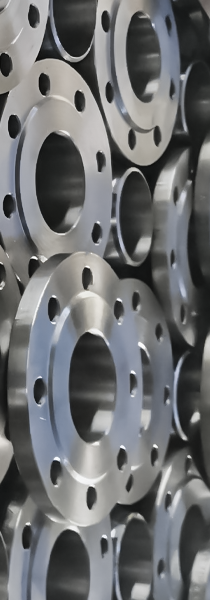
- Stainless steel and alloy pipe fittings
- Subsea connection assemblies
- High-pressure oilfield tubing applications
For projects similar to the PPF redevelopment, reliability is critical. Offshore operators require components capable of maintaining long-term performance under extreme operating conditions.
Tubeplus supports these requirements through:
- Precision machining capability
- Oilfield-grade material sourcing
- Strict dimensional inspection
- Pressure-testing procedures
- Corrosion-resistant material options
- Custom engineering support for offshore projects
As subsea developments become more technically demanding, suppliers that understand both engineering performance and offshore operational realities will gain increasing importance in the global oil and gas market.
The North Sea Remains a Key Energy Region
Despite the global energy transition, the North Sea continues to demonstrate strong long-term relevance for offshore oil and gas production.
Projects like the PPF redevelopment prove that mature offshore assets can still generate significant economic and strategic value when combined with modern subsea engineering and infrastructure reuse.
For the global oilfield industry, several long-term trends are becoming increasingly clear:
- Offshore natural gas demand remains strong
- Subsea tie-back developments are accelerating
- Infrastructure reuse is reducing project costs
- Europe continues prioritizing energy security
- High-specification oilfield equipment demand is growing
For suppliers, manufacturers, and engineering companies, this creates new opportunities across the offshore value chain.
The Norwegian Continental Shelf is entering another redevelopment cycle — and companies capable of delivering reliable, technically compliant, and cost-efficient solutions will be positioned to benefit from the next phase of offshore investment growth.