



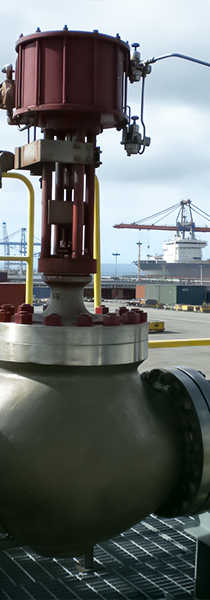
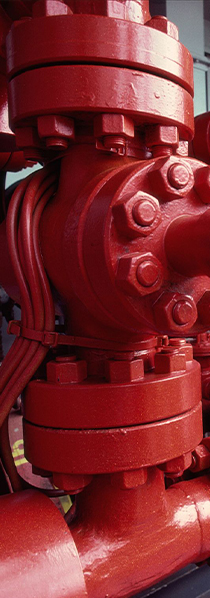
Ball valves are one of the most critical components in the global industrial valve market, playing a central role in regulating the flow of liquids and gases across multiple industries. Known for their durability, cost-effectiveness, and tight shut-off capability, ball valves have become the preferred solution in sectors such as oil and gas, water treatment, pharmaceuticals, and power generation.
Over the past decade, demand has grown steadily, driven by rapid industrialization and automation in emerging economies. As a result, innovations like trunnion mounted ball valves and floating ball valves have significantly expanded their application scope.
Market Size, Growth, and Industry Dynamics
The global ball valve market size is projected to reach USD 11.53 billion in 2026, growing to USD 15.41 billion by 2035, with a compound annual growth rate (CAGR) of 3.28%.
Key Market Drivers
- Pipeline infrastructure expansion: 46% contribution
- Industrial fluid control demand: 38% contribution
Market Restraints
- Raw material price volatility: impacts 35% of manufacturers
- Maintenance complexity: affects 27% of end users
Emerging Trends
- Automation adoption in valves: +42%
- Corrosion-resistant designs: +36%
Regional Leadership
- Asia-Pacific dominates with 48% market share, driven by a 51% increase in oil & gas projects
Competitive Landscape
- Top manufacturers control 55% of the market
- Standardization initiativesincreased by 33%, improving interchangeability and global compatibility
Market Segmentation by Material
- Stainless steel: 29%
- Carbon steel: 21%
- Brass: 18%
- Duplex steel: 12%
- Others: 20%
Latest Developments
- Smart valve integration: +39%
- High-pressure certification growth: +32%
- Ball Valves: The Universal Switch in Industrial Systems
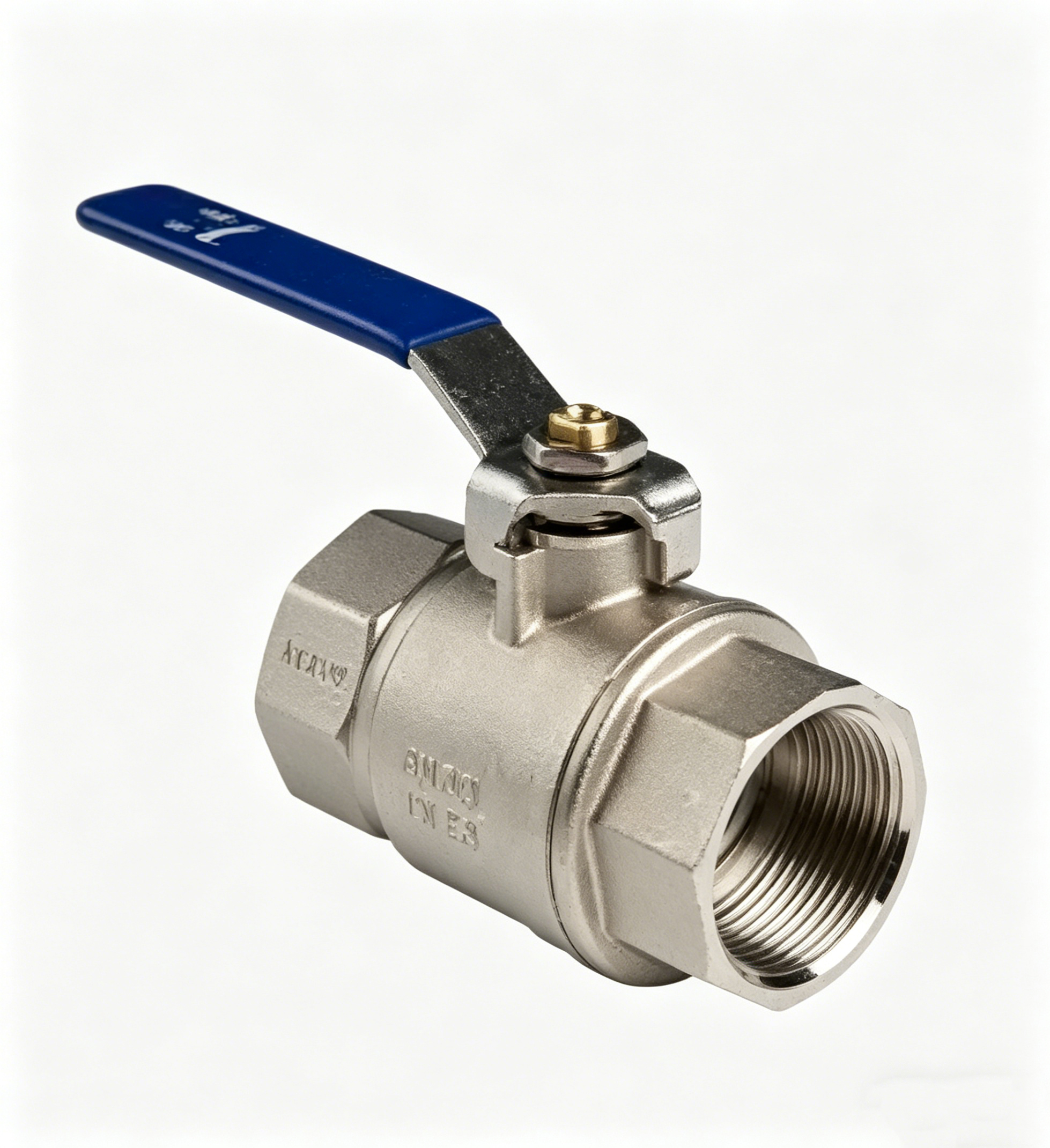
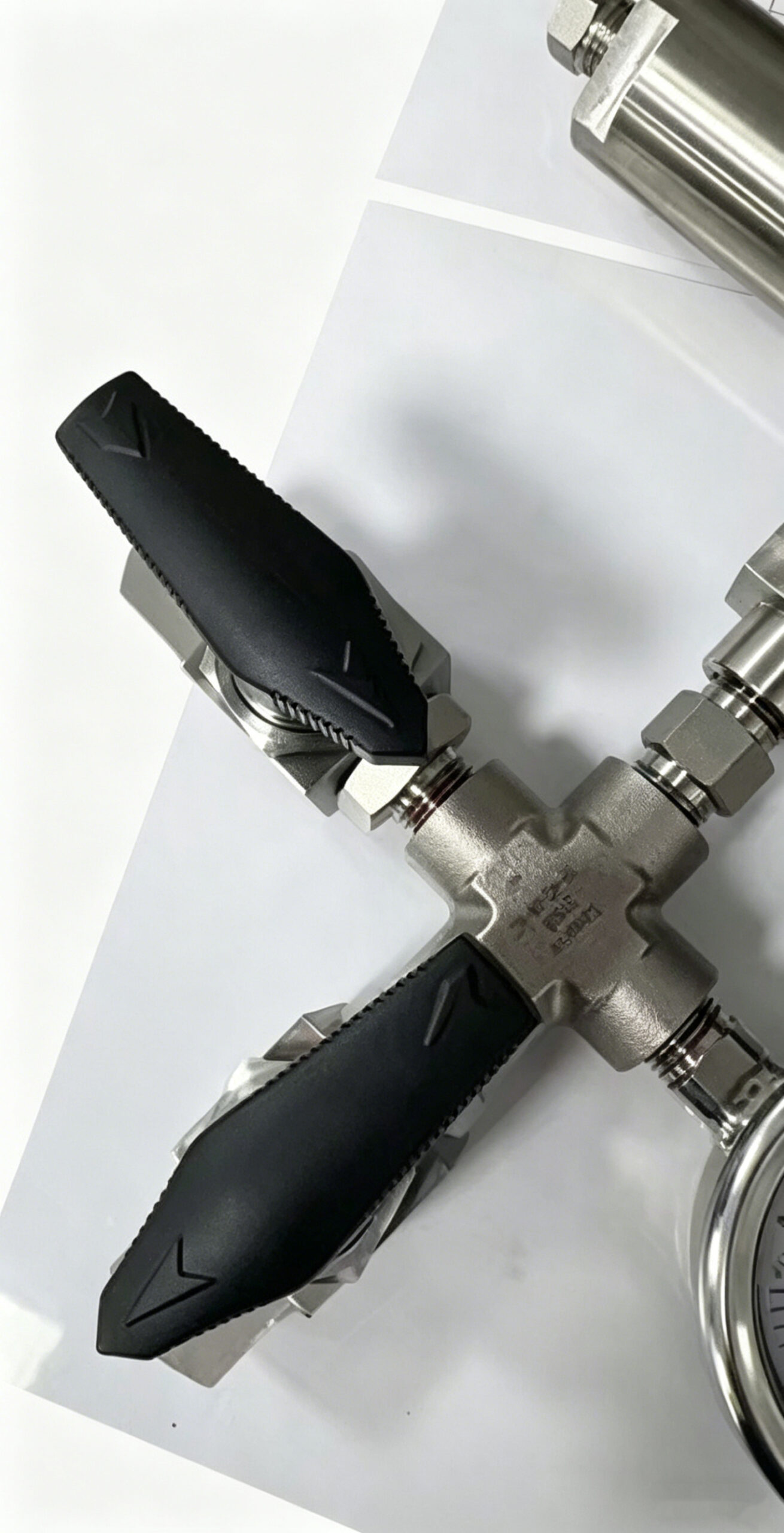
A ball valve operates with a simple 90-degree rotation, enabling fast opening and closing. This seemingly simple mechanism makes it a high-performance flow control valve across demanding industrial environments.
Key Advantages
- Full bore designminimizes pressure drop and allows pigging operations
- Bubble-tight sealingensures zero leakage
- Low torque operationreduces actuator requirements
- Long service lifewith minimal maintenance
Industry Applications
Oil and Gas Industry (Primary Market)
The oil and gas sector is the largest consumer of ball valves, utilizing them across:
- Upstream: wellhead control, drilling systems
- Midstream: pipeline transportation
- Downstream: refining and distribution
Ball valves are essential for controlling the flow of crude oil, natural gas, and refined products, ensuring operational safety and efficiency.
Water Treatment Systems
- Stainless steel ball valves resist water hammer and corrosion
- Used in municipal water supply and wastewater treatment plants
Pharmaceutical and Food Industries
- Hygienic design with no dead zones
- Prevents contamination and ensures compliance with FDA and GMP standards
Power Generation
- Used in steam systems, cooling circuits, and fuel handling
- Metal-seated designs withstand high temperature and pressure
- Hidden Applications in Civil and Commercial Systems
Ball valves are not limited to heavy industry—they are widely used in everyday infrastructure.
Common Civil Applications
- Residential heating systems (HVAC zoning control)
- Swimming pool circulation systems
- Fire protection pipelines in high-rise buildings
- Household gas shut-off valves
Compared to traditional gate valves, ball valves offer:
- Compact size
- Faster operation
- Lower installation space requirements
- Ball Valve Performance in Extreme Conditions
Extreme environments are where ball valve engineering truly proves its value.
Cryogenic Applications
- LNG storage and transport require valves operating at -196°C
- Specialized materials maintain sealing performance at ultra-low temperatures
High-Temperature Systems
- Power plant steam lines use valves rated up to 550°C
- Metal-seated ball valves provide durability under thermal stress
Subsea and Offshore Pipelines
- Require anti-corrosion coatings and cathodic protection
- Designed to withstand high pressure and saline environments
- How to Select the Right Ball Valve
Proper valve selection is critical for system reliability and lifecycle cost optimization.
Three Key Selection Criteria
- Media Characteristics
- Corrosive, abrasive, viscous, or clean fluids
- Determines material (e.g., duplex steel, PTFE seats)
- Temperature and Pressure Rating
- Match with ANSI/API standards
- Consider thermal expansion and sealing integrity
- Operation Frequency
- High-cycle applications require automated or actuated ball valves
- Manual valves suitable for low-frequency use
Additional Considerations
- End connection type (threaded, flanged, welded)
- Actuation method (manual, pneumatic, electric)
- Certification (API 6D, ISO 15848, fire-safe design)
- Future Outlook: Smart and Automated Ball Valves
The future of ball valves is increasingly aligned with Industry 4.0 and digitalization.
Key Innovations
- Smart ball valves with sensorsfor real-time monitoring
- Integration with SCADA and IoT systems
- Predictive maintenance using data analytics
These advancements improve:
- Operational efficiency
- Safety compliance
- Maintenance cost reduction
Conclusion
Ball valves have evolved from simple shut-off devices into highly engineered flow control solutions that serve both industrial and civil applications. Their versatility, reliability, and adaptability to extreme conditions make them indispensable across modern infrastructure.
With steady market growth, increasing automation, and material innovation, ball valves will continue to play a pivotal role in global industries—from oil and gas pipelines to smart buildings and beyond.