

When you operate in the oil and gas industry, failure is rarely caused by pressure alone. More often, it is corrosion that quietly destroys equipment, causes leaks, and leads to costly downtime.
That is exactly why Alloy 825 has become one of the most trusted nickel-based alloys for critical tubing and tube fitting systems.
Whether you are designing a chemical injection skid, offshore platform, refinery instrumentation panel, or subsea control system, Alloy 825 tubing and fittings provide the corrosion resistance and reliability needed to survive the world’s harshest operating environments.
What Is Alloy 825?
Alloy 825, also known as UNS N08825, is a nickel-iron-chromium alloy enhanced with molybdenum, copper, and titanium.
Unlike conventional stainless steels, Alloy 825 was specifically developed to resist aggressive chemical attack while maintaining excellent mechanical strength.
Chemical Composition of Alloy 825
The alloy typically contains:
- Nickel: 38–46%
- Chromium: 19.5–23.5%
- Iron: Balance
- Molybdenum: 2.5–3.5%
- Copper: 1.5–3.0%
- Titanium: 0.6–1.2%
This unique chemistry gives Alloy 825 exceptional resistance to a broad range of corrosive media.
Key Mechanical Properties
Alloy 825 offers:
- Excellent tensile strength
- Outstanding ductility
- Superior fatigue resistance
- High-temperature stability
- Excellent weldability
These properties make it ideal for critical instrumentation and process tubing systems.
Why Alloy 825 Is Widely Used in the Oil and Gas Industry
The oil and gas industry presents one of the most challenging operating environments on earth.
Equipment is continuously exposed to:
- Hydrogen sulfide (H₂S)
- Carbon dioxide (CO₂)
- Chlorides
- Acidic chemicals
- High pressure
- Extreme temperatures
Resistance to Acid Corrosion
Alloy 825 performs exceptionally well in sulfuric and phosphoric acid environments.
This makes it a preferred material for chemical injection systems and acid treatment applications.
Resistance to Chloride Stress Corrosion Cracking
One of the biggest weaknesses of standard stainless steel is chloride stress corrosion cracking.
Alloy 825 effectively resists this failure mechanism, making it suitable for offshore and marine applications.
High-Temperature Stability
Unlike many stainless steels, Alloy 825 maintains mechanical integrity even under elevated operating temperatures.
Alloy 825 Tubing Applications in Oil and Gas Fields
Chemical Injection Systems
Chemical injection lines often transport highly aggressive corrosion inhibitors and methanol.
Alloy 825 tubing ensures long-term reliability under continuous chemical exposure.
Offshore Platforms
Saltwater, humidity, and temperature fluctuations create a highly corrosive environment.
Alloy 825 tubing significantly extends service life compared to conventional stainless steel.
Subsea Control Systems
Subsea operations demand absolute reliability.
Failures are extremely expensive and difficult to repair.
Alloy 825 tubing provides the durability required for deepwater installations.
Refinery Instrumentation
Pressure transmitters, analyzers, and instrumentation manifolds frequently use Alloy 825 tubing due to its corrosion resistance.
Why Standard Stainless Steel Is Not Enough
Limitations of 316 Stainless Steel
While 316 stainless steel performs well in many industrial applications, it can struggle when exposed to:
- High chloride concentrations
- Sour gas conditions
- Acidic media
- Offshore environments
Over time, pitting and crevice corrosion may develop.
Challenges in Sour Service Environments
In H₂S-rich environments, material selection becomes critical.
Alloy 825 complies with stringent sour service requirements and offers significantly improved resistance compared to conventional stainless steels.
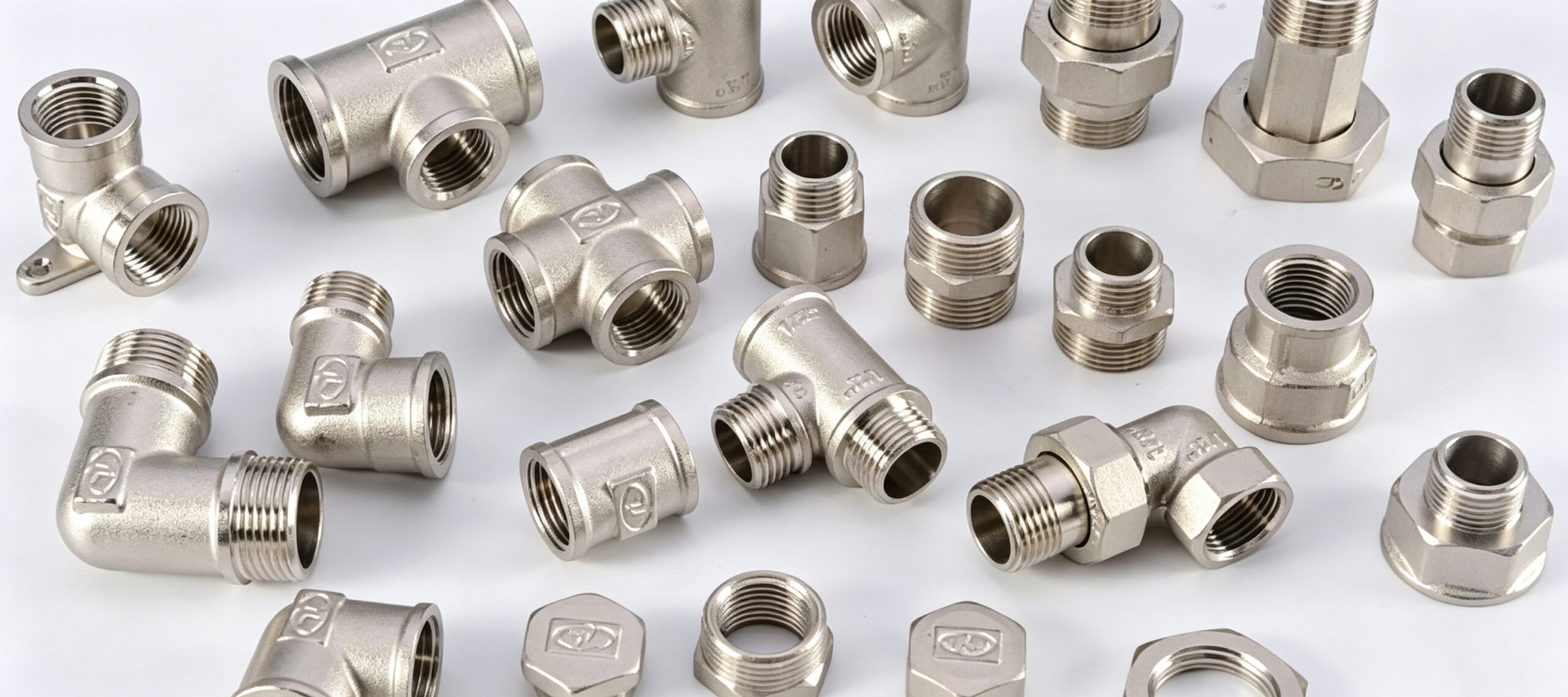
Understanding Alloy 825 Tube Fittings
A tubing system is only as strong as its weakest connection.
That is why selecting the right tube fitting is just as important as selecting the tubing itself.
Compression Tube Fittings
Compression fittings provide leak-tight connections without welding.
They are widely used in instrumentation and process systems.
Instrumentation Fittings
Instrumentation systems require precise sealing and vibration resistance.
Alloy 825 fittings help maintain system integrity under demanding conditions.
Double Ferrule Technology
Double ferrule designs provide:
- Superior tube grip
- Vibration resistance
- Reliable sealing
- Easy installation
This design has become the industry standard for critical fluid systems.
Harsh Environments Where Alloy 825 Excels
High-H₂S Wells
Sour gas wells expose equipment to severe sulfide stress cracking risks.
Alloy 825 offers exceptional resistance.
CO₂-Rich Gas Production
Carbon dioxide can create highly corrosive carbonic acid.
Alloy 825 performs well under these conditions.
Offshore Saltwater Exposure
Continuous chloride exposure can rapidly damage ordinary materials.
Alloy 825 maintains long-term corrosion resistance.
Acid Stimulation Operations
Acidizing treatments require materials capable of surviving aggressive chemical attack.
Alloy 825 is frequently selected for these applications.
TubePlus Alloy 825 Tube Fitting Series
At TubePlus, we understand that standard solutions are not always enough.
Our Alloy 825 Tube Fitting Series has been developed specifically for demanding oil and gas applications.
Designed for Extreme Conditions
TubePlus fittings are engineered for:
- High pressure
- Sour service
- Offshore applications
- Chemical injection systems
Precision Manufacturing
Every fitting is produced using advanced CNC machining processes to ensure:
- Tight dimensional tolerances
- Consistent ferrule performance
- Reliable sealing
Enhanced Sealing Performance
The TubePlus double ferrule design provides excellent leak-tight performance under vibration and pressure cycling conditions.
Can TubePlus Replace Swagelok Alloy 825 Fittings?
Many operators are looking for cost-effective alternatives without sacrificing performance.
The answer is yes.
Material Equivalency
TubePlus Alloy 825 fittings are manufactured using the same UNS N08825 material specification commonly used throughout the industry.
Dimensional Compatibility
TubePlus fittings are designed according to industry-standard dimensions, allowing easy integration into existing systems.
Performance Validation
Each fitting undergoes rigorous inspection and pressure testing to ensure dependable field performance.
For many applications, TubePlus Alloy 825 fittings provide a practical alternative to Swagelok Alloy 825 products while delivering excellent reliability and value.
Quality Standards and Certifications
TubePlus products are manufactured according to internationally recognized standards.
ASTM Requirements
Products comply with applicable ASTM material specifications.
NACE Compliance
Suitable material options are available for sour service applications requiring NACE compliance.
Pressure Testing Procedures
Every production batch undergoes strict quality control and testing procedures.
Benefits of Choosing TubePlus Alloy 825 Products
Reduced Downtime
Better corrosion resistance means fewer failures and less maintenance.
Longer Service Life
Extended equipment lifespan improves project economics.
Lower Total Cost of Ownership
While Alloy 825 may have a higher initial cost than stainless steel, its durability often results in significant long-term savings.
How to Select the Right Alloy 825 Tube and Fittings
Before specifying your tubing system, consider:
Pressure Considerations
Determine the maximum operating pressure and safety factors.
Temperature Requirements
Verify continuous and intermittent temperature ranges.
Corrosion Assessment
Evaluate exposure to:
- H₂S
- CO₂
- Chlorides
- Acids
- Seawater
A proper corrosion analysis helps ensure long-term reliability.
Conclusion
If your operation involves corrosive chemicals, sour gas, offshore exposure, or extreme temperatures, Alloy 825 remains one of the most trusted material choices available.
Its unique combination of corrosion resistance, mechanical strength, and long-term durability makes it ideal for tubing and tube fitting systems throughout the oil and gas industry.
TubePlus has developed a complete Alloy 825 Tube Fitting Series specifically for these demanding applications. Designed for reliability, precision, and performance, TubePlus fittings offer a proven solution for operators seeking a dependable alternative to Swagelok Alloy 825 products.
When reliability matters most, choosing the right material is not just a technical decision—it is an operational advantage.
FAQs
- What is Alloy 825 mainly used for in oil and gas applications?
Alloy 825 is widely used in chemical injection systems, offshore platforms, subsea controls, and refinery instrumentation where corrosion resistance is critical.
- Is Alloy 825 better than 316 stainless steel?
For highly corrosive environments involving chlorides, acids, H₂S, or CO₂, Alloy 825 generally provides superior corrosion resistance and longer service life.
- Can Alloy 825 withstand sour gas service?
Yes. Alloy 825 is commonly selected for sour service applications due to its excellent resistance to sulfide stress cracking.
- Are TubePlus Alloy 825 fittings compatible with existing systems?
Yes. TubePlus fittings are manufactured to industry-standard dimensions, allowing easy integration into many existing tubing systems.
- Why choose TubePlus Alloy 825 tube fittings?
TubePlus offers precision manufacturing, rigorous quality control, excellent corrosion resistance, and a cost-effective alternative for demanding oil and gas applications.