

When you’re sourcing pipes for oil & gas wells, one question always shows up:
Should I go with welded capillary tube or seamless SMLS pipe for your project?
If you’ve ever compared welded pipe vs seamless pipe, you already know—it’s not just about structure. It’s about performance, cost, and risk control.
So how do you make the right pipe selection for oil and gas projects without overpaying—or worse, under-specifying?
Let’s break it down.
Welded Pipe vs Seamless Pipe: What’s the Real Difference?
At the core of any oil gas pipe comparison, the difference comes down to manufacturing:
- Welded pipe (capillary tube)→ formed from strip steel with a weld seam
- Seamless pipe (SMLS)→ produced from solid billet, no seam
This is why many engineers still ask:
👉 What is the real difference between welded and seamless pipe?
Strength & Pressure Performance
Seamless pipes are traditionally used as seamless pipe for high pressure environments because they eliminate weld seam risk.
But modern welded pipe quality control has changed the game:
- Online heat treatment
- Automated weld seam control
- Full NDT testing for pipes
Today, high-quality welded pipes can meet most tubing for deep wells requirements—if properly manufactured.
So the better question is:
👉 Do you need maximum strength—or optimized performance?
Corrosion Resistance in Oilfield Tubing
When it comes to corrosion resistant tubing, material matters more than structure.
Typical materials include:
- 316L stainless (common for capillary tubing in oil wells)
- Duplex 2205
- Incoloy 825 / 625
In capillary tubing (316L or duplex 2205), corrosion resistance depends more on material + finishing than on seam vs no seam.
That’s why proper pipe material selection oil gas is critical.
Cost Difference: Where Welded Pipes Win
Let’s talk reality—pipe cost comparison oil gas is often the deciding factor.
Welded pipes offer:
- Higher efficiency production
- Less material waste
- Better availability
Result:
👉 10–30% cost savings (sometimes more for small OD tubing like capillary lines)—based on typical market comparisons
This is why many operators now prefer oilfield tubing solutions using welded products where feasible.
How to Choose the Right Pipe for Oil Wells
There’s no universal answer. Selection depends on your pipeline material selection logic.
- High Pressure / Deep Wells
Use seamless pipe for high pressure if:
- Extreme load conditions
- High failure risk
- Critical wells
Seamless pipes still dominate seamless pipe applications in these scenarios.
- Corrosive Environments
Both welded and seamless can work—if supported by:
- Proper alloys
- Verified welded pipe inspection methods
- Strict QA
If weld integrity is uncertain, seamless is safer.
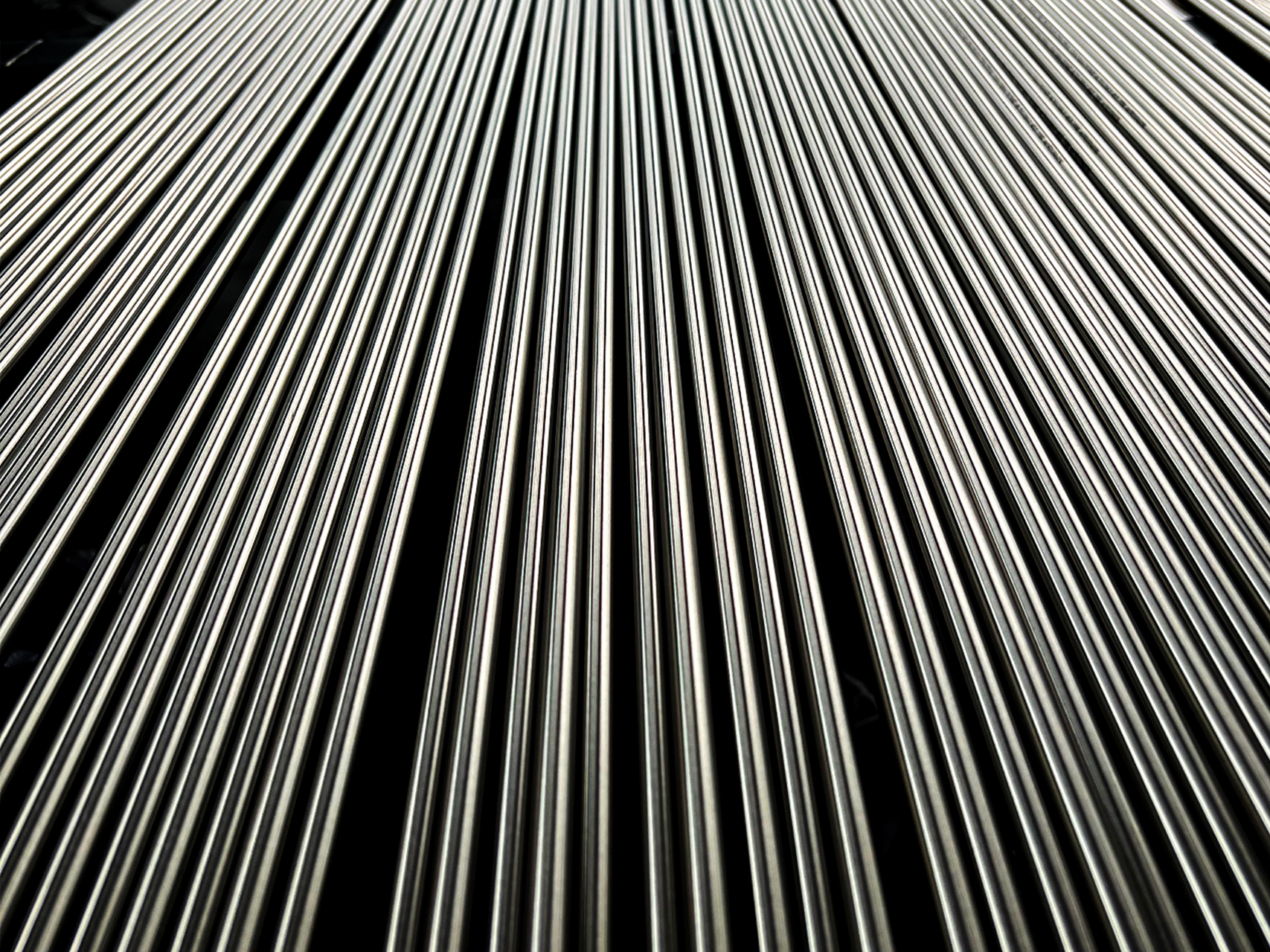
- Capillary Tubing Applications
For capillary tubing applications like:
- Chemical injection
- Hydraulic control
- Monitoring lines
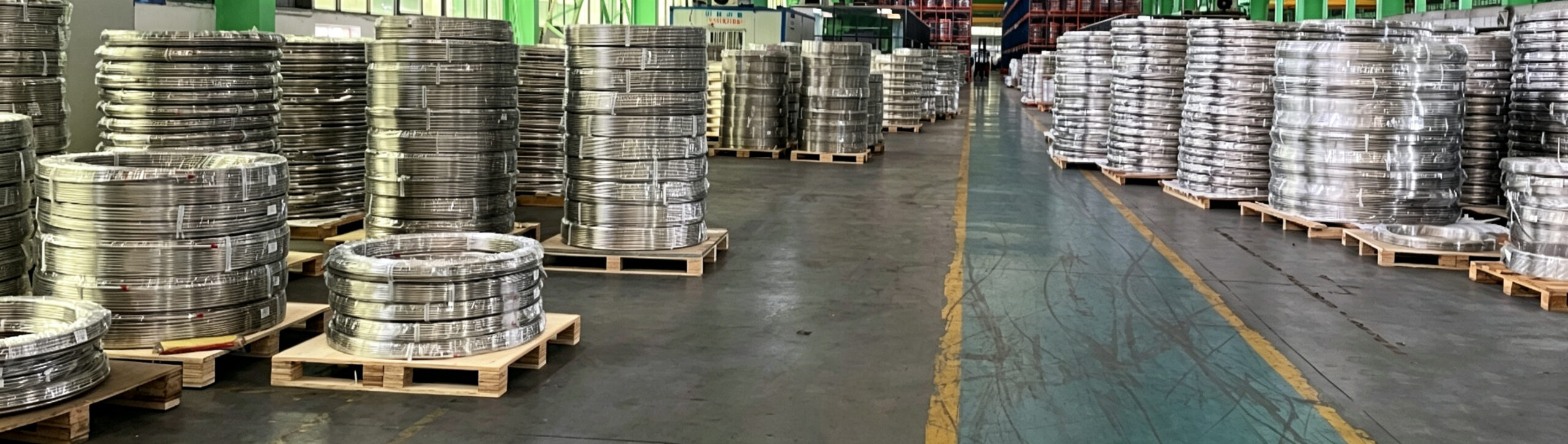
Welded pipes are often the best tubing for oil and gas wells solution.
Why?
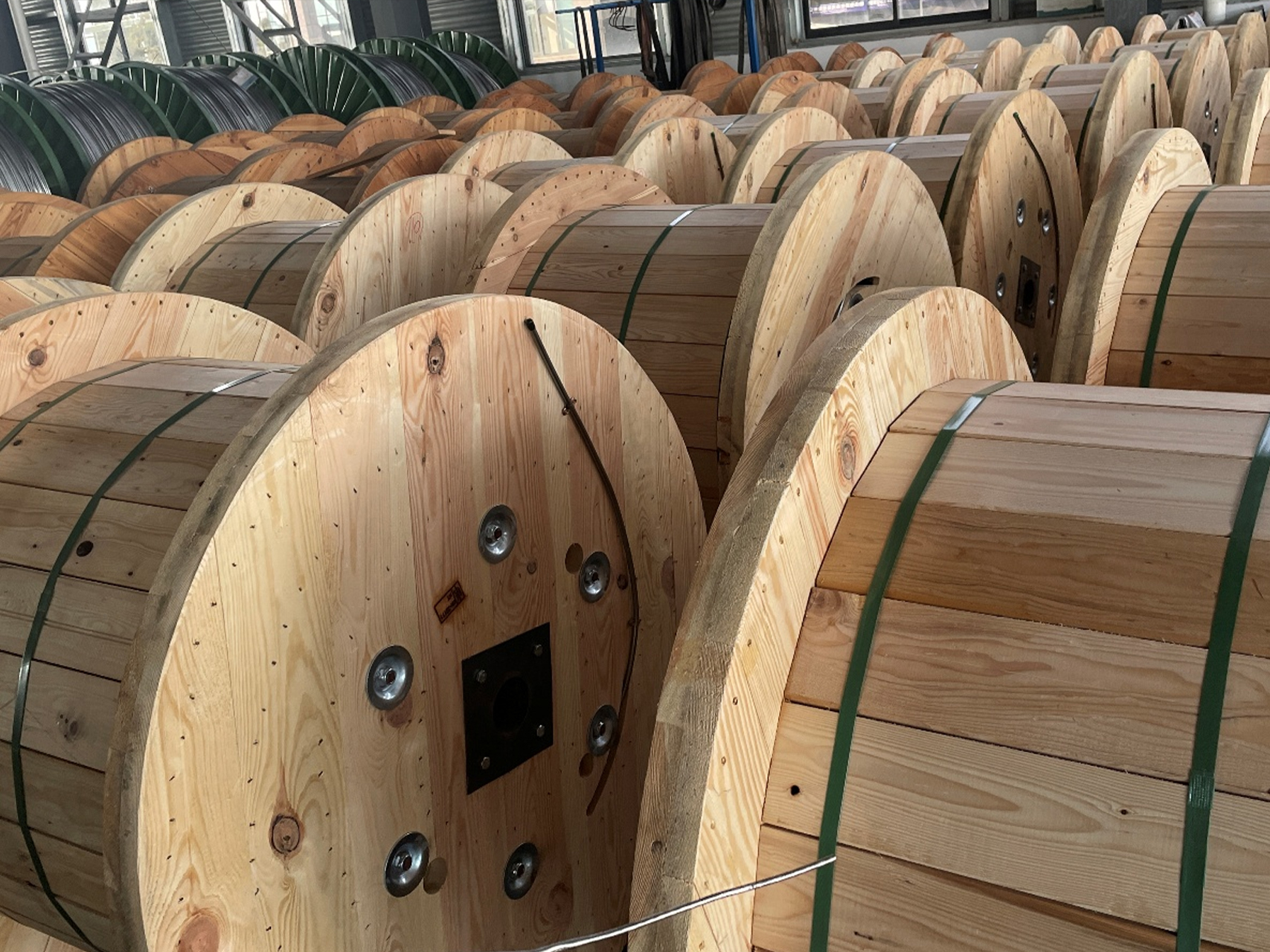
- Long continuous length
- Fewer leak points
- Lower cost
- Pipeline & Surface Applications
For large-scale pipelines:
- Welded pipes dominate
- Widely used under API standards
This is where API pipe vs seamless pipe becomes a cost-performance decision.
Welded Pipe Quality Control: What Really Matters
Let’s address the biggest concern:
👉 welded pipe quality
Common Weld Defects
- Porosity
- Lack of fusion
- Inclusions
These are typical weld seam defects pipe issues.
Inspection Methods You Should Require
Reliable suppliers must use:
- Ultrasonic testing pipe
- Radiographic testing
- Full pipe NDT inspection
These are standard welded pipe inspection methods in oil & gas.
Supplier Evaluation Checklist
Before choosing a supplier, ask:
- Do they perform full NDT?
- Can they provide traceability?
- Do they have proven oilfield tubing solutions?
If not—risk increases.
Final Decision: Welded or Seamless?
Here’s the simplified answer:
Choose Seamless Pipe if:
- Extreme conditions
- Critical applications
- Maximum safety margin required
Choose Welded Pipe if:
- Cost efficiency matters
- Long continuous tubing needed
- Conditions are controlled
Conclusion: It’s About the Right Fit
There’s no absolute winner in welded pipe vs seamless pipe.
The best solution is always based on:
👉 Application
👉 Risk level
👉 Budget
In real projects, smart engineers don’t choose “the strongest” option—
they choose the most efficient oilfield tubing solution.
Need Help with Pipe Selection?
If you’re evaluating:
- capillary tubing in oil wells
- seamless pipe applications
- or full pipeline material selection
We can help you optimize:
👉 Material
👉 Manufacturing
👉 Cost
Send your specs—we’ll help you make the right call.